 Qtrends
Ukraine joins European anti-ballistic missile coalition
Ukraine and nine other nations have announced a coalition to develop a shared European anti-ballistic missile defense system, aiming to counter aerial threats from Russia and other state actors. The US is also reportedly allowing Ukraine to produce Patriot missile systems domestically. The initiative, dubbed a 'coalition of the willing,' reflects growing European urgency for independent defense capabilities. It marks a significant step in integrating Ukraine into broader European security architecture.
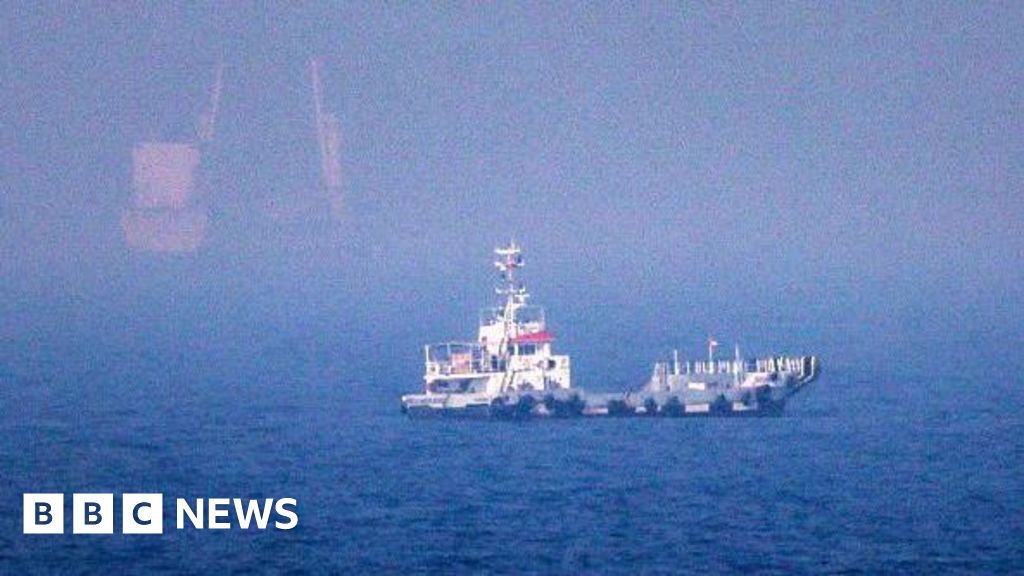 The US military has launched new strikes on Iran focused on degrading its ability to attack commercial vessels, while Tehran has retaliated by targeting US-aligned Gulf states. The UAE publicly condemned Iran's 'brazen' attacks on oil tankers. The strikes represent a broadening of the conflict beyond direct US-Iran exchanges, drawing regional powers into the confrontation. The targeting of shipping infrastructure in the Gulf raises global concerns over maritime security and energy supply chains.
 Regional dynamics around Israel continue to shift, with Al Jazeera reporting that Sheikh Hamad of Qatar broke Israel's siege on Gaza, a move that has reshaped the humanitarian and geopolitical landscape. Meanwhile, reports suggest Israel courted Iran's former hardline president for a potential post-regime role, indicating long-term planning for Iranian political change. In Lebanon, residents are resisting potential Israeli occupation despite threats, highlighting deep-seated territorial disputes. These developments underscore a volatile and multi-front Middle Eastern landscape.
 Oil prices have surged more than 9% after President Trump announced the reinstatement of a shipping blockade on Iranian ports, escalating an already tense confrontation in the Strait of Hormuz. The blockade follows renewed Iranian attacks on shipping and is part of a broader US strategy to pressure Tehran economically. The sharp price increase reflects market fears of significant supply disruptions through one of the world's most critical oil transit chokepoints. Global energy markets are now closely watching for further military escalation that could push prices even higher.