 Qtrends
UK PM Keir Starmer resigns, seventh PM in a decade
UK Prime Minister Keir Starmer has announced his resignation, marking the seventh change of prime minister in Britain in ten years. Multiple news outlets including BBC, AP News, and Al Jazeera reported the development, with Starmer confirming he will step down. The resignation opens a new leadership contest within the Labour Party and raises questions about the direction of UK politics. The move comes amid ongoing challenges facing the British government on multiple fronts.
Sources:
UK’s Starmer resigns as prime minister
(Al Jazeera)
UK Prime Minister Keir Starmer says he will resign
(Al Jazeera)
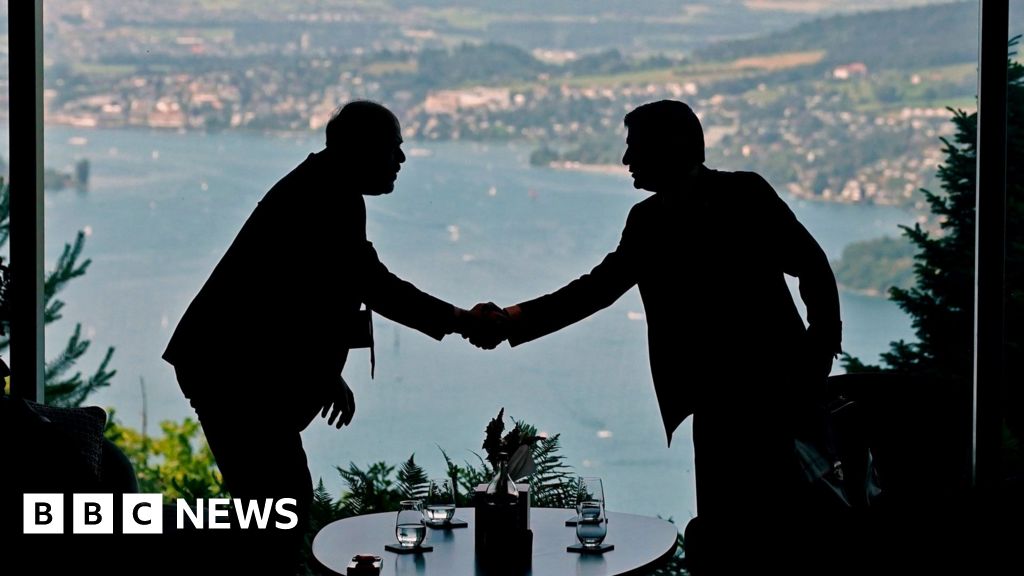 The first round of negotiations between the United States and Iran concluded with mediators reporting encouraging progress. Talks were described as conducted in a positive and constructive atmosphere, with Iran hailing the advancements made on the first day. Key mediators from multiple parties expressed optimism about the trajectory of discussions. The initial session sets the stage for continued diplomatic engagement between the two countries.
 China has struck back at US sanctions that restrict Chinese exports to American defense firms, escalating trade tensions between the two nations. At the same time, Beijing signaled it will back qualified foreign companies for listing on domestic stock markets. Chinese state media pushed back against the 'China Shock' narrative, portraying it as a cover for protectionism. The dual moves reflect China's strategy of retaliating while maintaining openness to foreign investment.
 Analysts suggest that the situation in Lebanon may be a decisive factor in whether the US-Iran deal succeeds or fails. US and Iranian negotiators have agreed to a 'roadmap' for a final deal, according to mediators. A breakthrough in Swiss talks includes the lifting of a blockade and the return of assets to Iran. The Lebanon dimension adds geopolitical complexity to an already intricate negotiation process.