 Qtrends
Israeli strikes on Lebanon derail US-Iran peace talks
Israeli military operations in southern Lebanon have escalated into intense fighting, prompting the postponement of US-Iran negotiations. The attacks, coupled with renewed exchanges of fire between Israel and Hezbollah, have raised widespread fears that a potential US-Iran peace deal may not survive the regional turmoil. Multiple news outlets report that the violence directly undermined diplomatic momentum, testing the durability of the emerging framework between Washington and Tehran.
 The emerging US-Iran nuclear framework is drawing intense debate, with a former Trump official calling it 'enormously helpful' to Iran. Analysts point to numerous unanswered questions about the deal's terms and long-term implications, including whether Trump's legacy will be tied to Tehran's compliance. Coverage also highlights the human and financial costs of confrontation, as well as the potential for the agreement to reconnect Iran to the global economy.
 China showcased new portable laser weapons designed for a single soldier to shoot down drones at a Paris exhibition, highlighting growing demand for anti-drone defenses amid global conflicts. Meanwhile, the Philippines is turning to Australian-made drones described as 'smarter, cheaper' options to bolster its maritime deterrence capabilities against Chinese activities in the region.
 Andy Burnham has won a key by-election and secured a seat in parliament, setting the stage for a potential Labour leadership challenge against Prime Minister Keir Starmer. The victory has fueled speculation about a leadership showdown within the party, with Burnham now positioned as Starmer's main rival. A race for UK leadership looms as the political landscape shifts ahead of a possible internal contest.
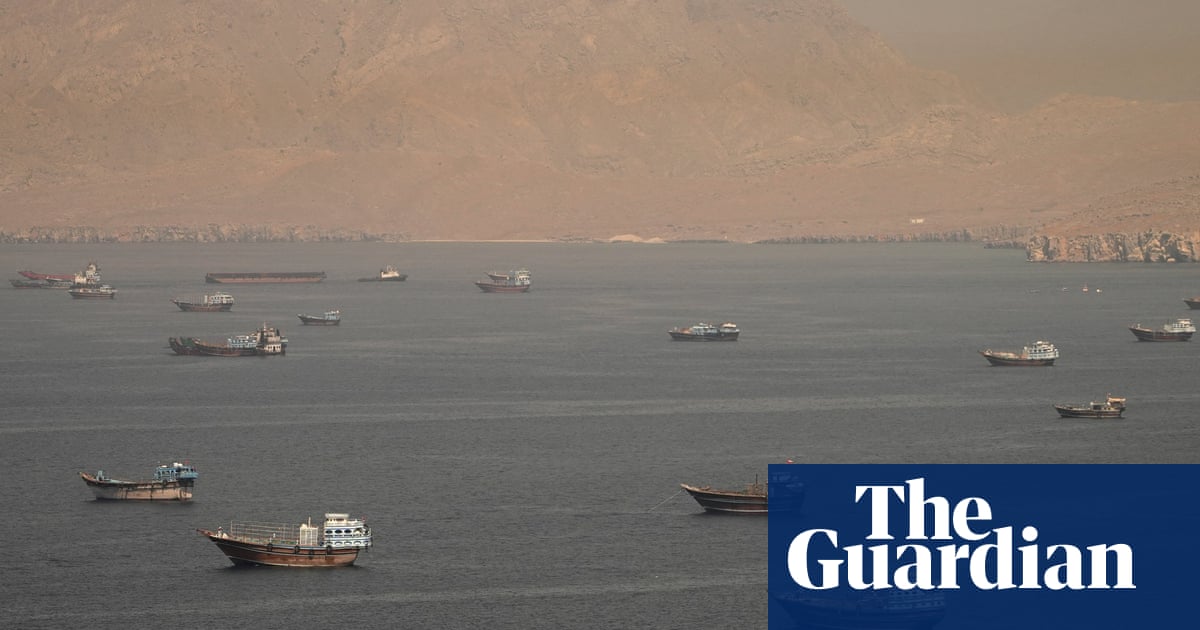 Iran has announced plans to introduce maritime fees for passage through the Strait of Hormuz, further complicating an already volatile shipping situation. Normal navigation remains impossible until at least 80 mines are cleared from the waterway. Ships have begun moving cautiously through the strait, but the combination of military risks and new financial burdens continues to disrupt global shipping routes.