 Qtrends
Israeli strikes on Lebanon derail US-Iran talks
Intense fighting between Israel and Hezbollah along the southern Lebanon border has led to the postponement of US-Iran nuclear negotiations. Israeli airstrikes killed multiple targets in Lebanon while Hezbollah launched retaliatory attacks, escalating the two-front conflict. The violence prompted Washington to delay scheduled talks with Tehran, raising concerns that the emerging US-Iran framework may collapse. Analysts warn that the escalation tests the durability of any diplomatic resolution between the US and Iran.
 China showcased new portable laser weapons capable of shooting down drones at a Paris defense exhibition, signaling its push into the growing anti-drone market. The systems are designed for a single soldier to operate, making them highly mobile and cost-effective. Separately, the Philippines is turning to cheaper Australian drones as part of its defense strategy amid tensions with China in the South China Sea. The developments reflect a global surge in demand for drone and counter-drone technology.
 Andy Burnham won a key by-election to enter parliament, immediately positioning himself as the leading challenger to Prime Minister Keir Starmer for the Labour Party leadership. The victory intensifies internal party tensions and raises the likelihood of a formal leadership contest in the coming months. Starmer has vowed to fight to retain his position, but Burnham's strong showing has galvanized the Labour left. The race is shaping up to dominate British political headlines through the summer.
 The preliminary US-Iran agreement brokered by the Trump administration has come under intense scrutiny following the collapse of talks amid Israeli military escalation. NPR published the full text of the proposed framework, revealing terms that critics argue favor Tehran. A former Trump official described the deal as 'enormously helpful' to Iran, while Chinese Foreign Minister Wang Yi urged concrete implementation of the memorandum. The Guardian argues the deal reflects how far the US has been forced to retreat diplomatically since 2025.
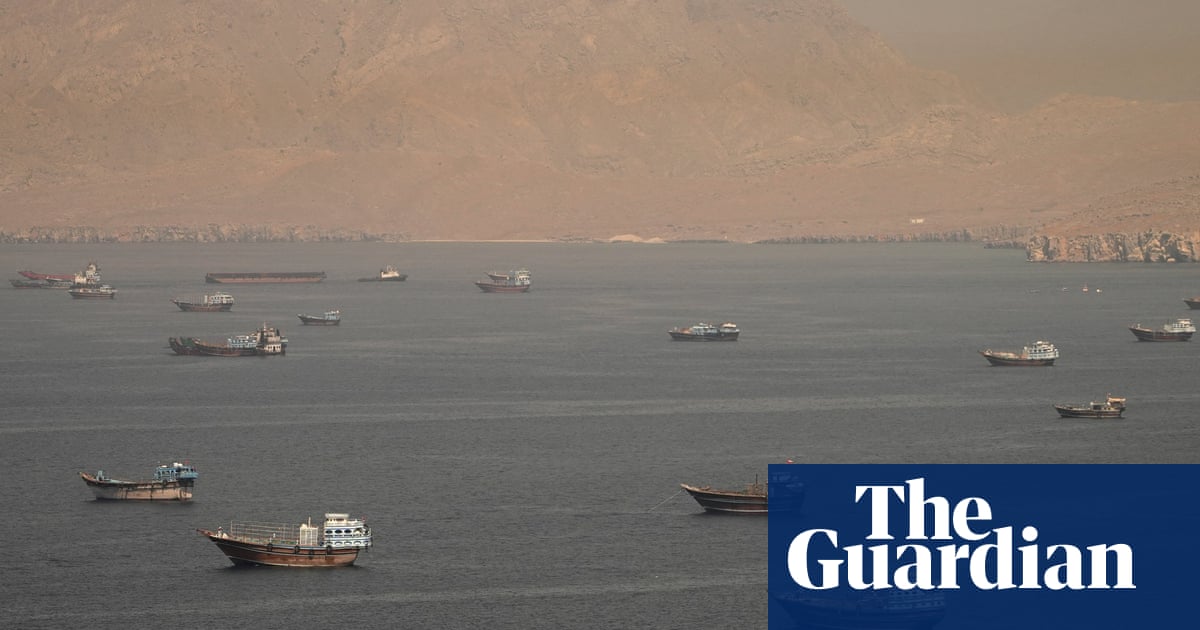 Iran announced plans to impose maritime fees for passage through the Strait of Hormuz, a critical chokepoint for global oil shipments. The move comes as shipping remains severely restricted due to an estimated 80 naval mines in the waterway from prior conflicts. Some vessels have begun moving cautiously through the strait, but normal operations are far from resuming. The developments threaten to disrupt global energy markets and raise insurance costs for tanker operators.