 Qtrends
US and Iran reach tentative deal to end the war
The United States and Iran have reached a preliminary agreement to end hostilities, with President Trump ordering a halt to the US naval blockade. Multiple major outlets report that a formal peace deal is expected to be signed on Friday. While Trump has heralded the agreement, analysts caution that significant questions and risks remain unresolved. Both sides face complex negotiations on implementation before the deal can take full effect.
 Global oil prices fell sharply following the announcement of a US-Iran agreement, while stock markets rallied on the prospect of reduced geopolitical risk. Crude oil futures dropped after Trump confirmed a deal would be signed Friday, signaling the potential resumption of Iranian oil exports. The market reaction reflects relief that a prolonged conflict in the region may be coming to an end. Analysts are now watching for stability in the Strait of Hormuz as a key indicator of lasting impact.
 US, Iran, and Pakistan have announced that a comprehensive peace deal is ready and will be formally signed on Friday. Trump allies have celebrated the development while Democrats are demanding greater clarity on the terms. The deal is described as a 'peace agreement' rather than a mere ceasefire, suggesting a more durable resolution. China Daily reports the deal is 'complete,' underscoring the international significance of the accord.
 Russia launched a major overnight attack on Ukraine, striking the historic Kyiv Pechersk Lavra monastery and setting it on fire. At least nine people were killed in the strikes across multiple regions, according to Ukrainian officials. The attack on the 11th-century monastery, a UNESCO World Heritage site, has drawn international condemnation. Ukraine decried the assault as a strike on Orthodox Christian heritage and national identity.
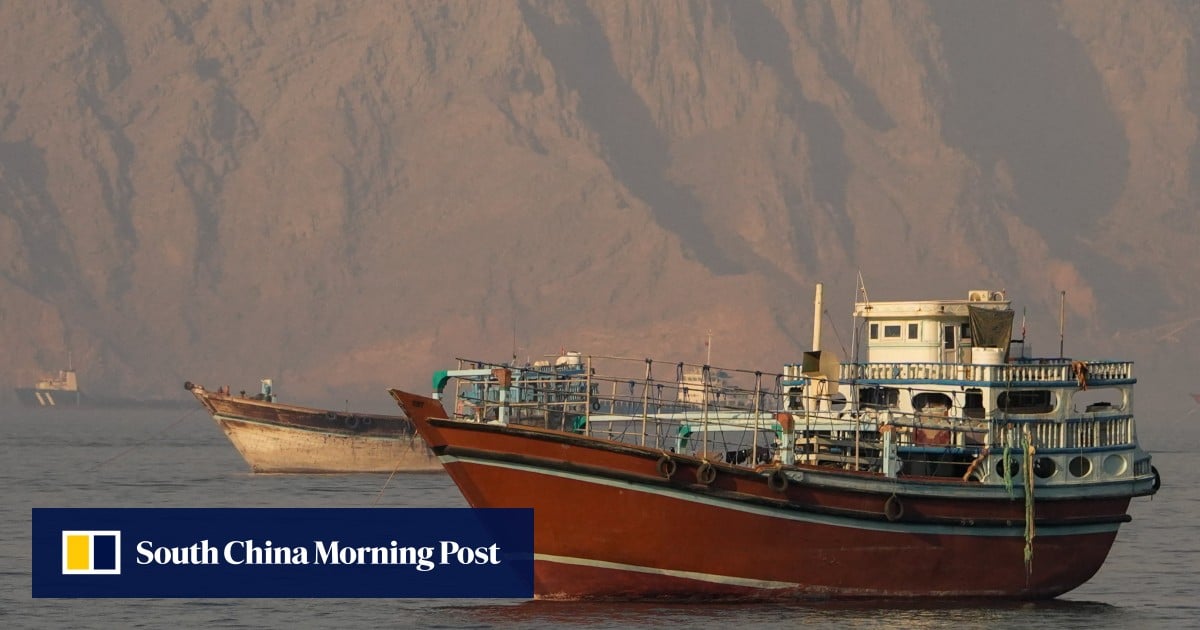 The Strait of Hormuz remains unusually quiet as doubts persist over the durability of the US-Iran peace deal. Trump has claimed the strait will become 'permanently toll-free' under the agreement, a suggestion that has raised eyebrows among analysts. Reopening the waterway would offer significant economic relief for Asian economies reliant on Gulf oil, but experts warn economic scars from the conflict will linger. The situation underscores the fragility of the current ceasefire arrangements.