 Qtrends
US and Iran trade strikes across the Middle East for second day
The United States launched a second consecutive day of airstrikes on Iranian targets, prompting retaliatory Iranian missile strikes on Bahrain, Kuwait and Jordan. The escalating exchange marks a significant broadening of the conflict, drawing Gulf states directly into the crossfire. Both AP News and Al Jazeera report that the strikes have continued into a second wave, with no immediate signs of de-escalation. The situation has raised alarm across the region as diplomatic channels remain largely inactive.
Sources:
 Police in Belfast fired water cannons for the first time in years to disperse a second night of anti-immigrant protests. The unrest was sparked by a knife attack that fueled community tensions, with demonstrators clashing with law enforcement across the city. CNN and BBC report that the protests have grown increasingly volatile, with authorities struggling to contain the disorder. The violence reflects deepening polarization over immigration policy in Northern Ireland.
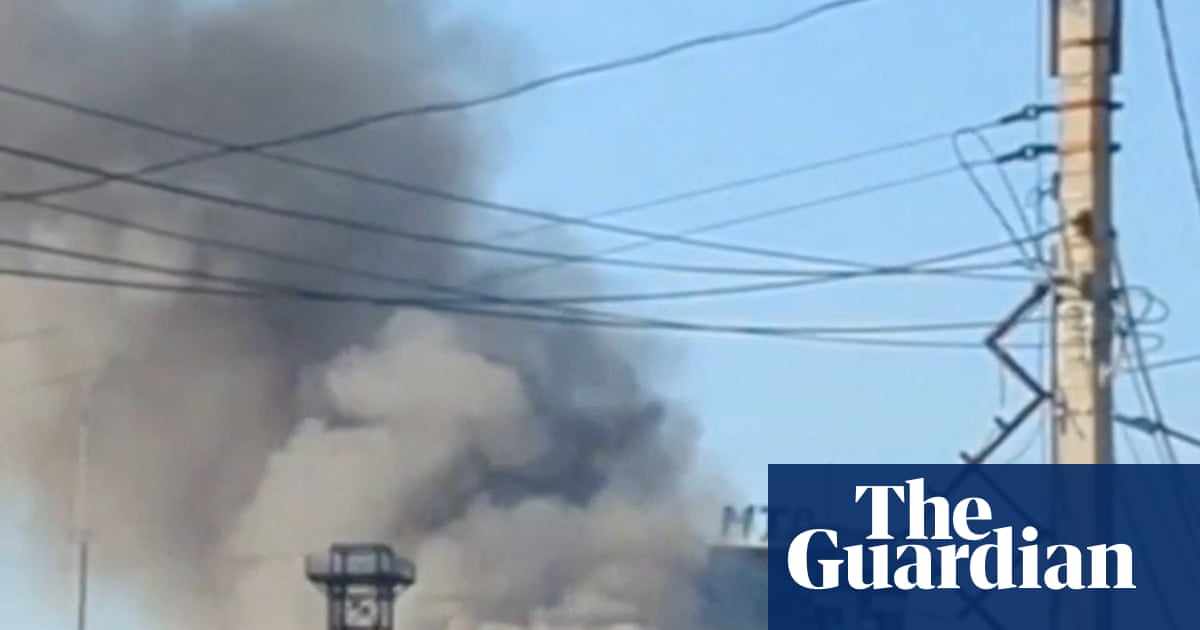 Ukraine has deployed Flamingo missiles to strike increasingly distant targets inside Russian territory, marking a significant escalation in its long-range strike capabilities. The Guardian reports that Ukrainian drone campaigns are also menacing Russian supply lines, creating what it describes as a 'highway of death' for logistics convoys. Moscow has condemned Canada as a 'warmonger' after Ottawa signed a drone production deal with Kyiv. The strikes represent a strategic shift aimed at disrupting Russian rear-echelon operations.
 China is repositioning its relationship with North Korea as Pyongyang's nuclear silence reshapes the regional balance, according to NPR. The South China Morning Post explores whether Xi's stance on North Korean military ties is also a message directed at the US and Russia. Meanwhile, China has publicly called for calm and restraint over the escalating Iran situation, signaling its broader diplomatic positioning on multiple global flashpoints.
 Bill Gates testified before US Congress that Jeffrey Epstein attempted to blackmail him over extramarital affairs, adding a high-profile dimension to the ongoing Epstein case. CNN has published an investigation into a model scout who sent young women to Epstein, expressing misplaced trust. The New York Times reports on internal turmoil inside the White House over the release of Epstein-related files. These developments suggest the Epstein scandal continues to reverberate through political and elite circles.