 Qtrends
Iran and Israel pause strikes after first major clash since April ceasefire
Iran and Israel have halted military strikes after exchanging fire for the first time since the April ceasefire, marking a significant escalation in regional tensions. Both sides have publicly stated they are pausing offensive operations but warned of retaliation if the ceasefire is breached again. The 15-hour confrontation signals a fragile truce that could easily unravel. International observers are closely monitoring the situation for any further violations.
Sources:
Israel and Iran appear to pause strikes after trading fire for the first time since April ceasefire
(AP News)
Iranian military says it is halting offensive operations after Israel and Iran exchanged fire
(AP News)
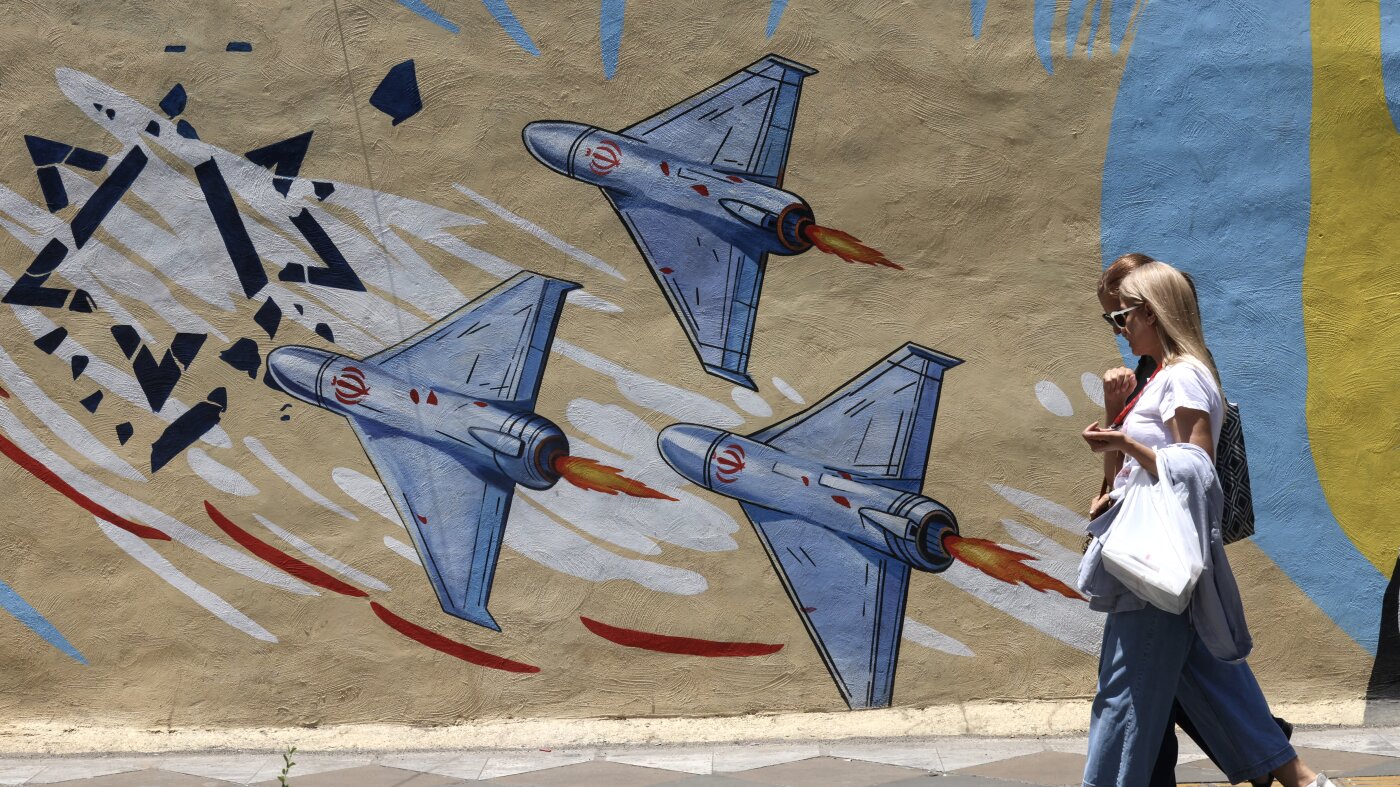
 Iran has framed its recent strike on Israel as a shift in 'strategic doctrine,' signaling growing military confidence and resilience. Israel responded by targeting Beirut's suburbs in a retaliatory attack against Hezbollah. Analysts describe the 15-hour firefight as revealing Israel's strategic bind, facing threats on multiple fronts simultaneously. The exchange has reshaped regional power dynamics and raised questions about long-term stability.
 Ebola cases are rising at an unprecedented rate in the Democratic Republic of Congo, prompting the government to revive travel restrictions. The World Health Organization has called for urgent global action to contain the outbreak. The situation threatens to destabilize the region's already strained healthcare system. International health agencies are mobilizing resources to curb further spread.
 A powerful 7.8-magnitude earthquake struck the southern Philippines, killing at least 35 people and causing widespread destruction. The quake collapsed buildings, triggered tsunami warnings, and injured over 130 others. Rescue operations are underway as authorities assess the full extent of the damage. The Philippines, located in the Pacific Ring of Fire, is frequently hit by seismic activity.