 Qtrends
Iran fires missiles at Israel for first time since ceasefire
Iran launched missiles at Israel for the first time since the fragile April ceasefire, with Israeli officials calling it a 'grave mistake'. Al Jazeera reported the attack came after a Beirut strike allegedly crossed 'all red lines' according to Iran. The bombardment signals a severe breakdown of the truce brokered earlier this year, raising fears of a broader regional war. Global powers have urged restraint on both sides.
 A suspected terror attack in central Israel left one dead and five wounded, with the attacker identified as an Arab gunman. Meanwhile, Israeli airstrikes in Gaza killed at least 13 people as Egypt hosted renewed ceasefire talks. NPR reported that Israeli strikes also killed 9, including Lebanese army officers, following a ceasefire deal. The overlapping incidents underline the volatility across Israel, Gaza, and Lebanon.
 Israel struck Beirut's suburbs in retaliation against Hezbollah, escalating tensions just days after a US-brokered truce. CNN reported that the Israeli offensive has emboldened Hezbollah, which is claiming the mantle of Lebanon's defender. The NYT described the fighting as escalating with bombs hitting the outskirts of the capital. The renewed clashes threaten to unravel the ceasefire and draw Lebanon deeper into conflict.
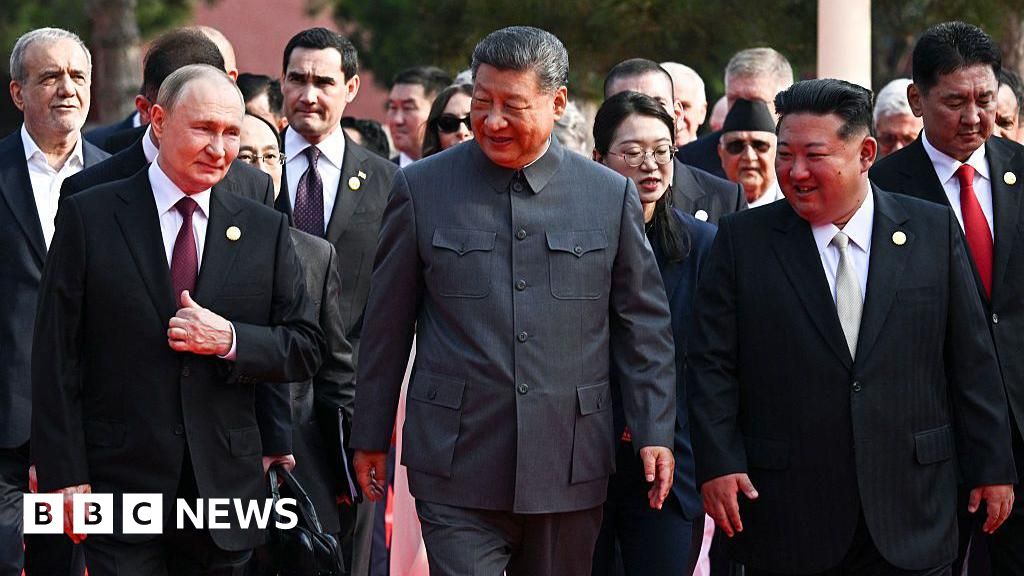 BBC reported that Xi Jinping may be planning a visit to North Korea, raising questions about whether it signals friendship or leverage. Meanwhile, Chinese Foreign Minister Wang Yi met UN secretary-general candidate Bachelet in Beijing. China Daily also highlighted potential for wider Sino-US cooperation. These diplomatic moves underscore Beijing's active engagement on multiple fronts.
 Armenians went to the polls in a general election closely watched by both Russia and the West, reflecting the country's strategic position between competing powers. NPR noted the election is a key test of Armenia's democratic trajectory. The Guardian quoted voters saying 'it's time to move forward' as the nation navigates post-war recovery and shifting alliances. Results are expected to shape Armenia's foreign policy direction.