 Qtrends
Iran fires missiles at Israel, fragile ceasefire at risk
In a major escalation, Iran has launched missiles at Israel for the first time since the fragile ceasefire took effect. The attack comes in response to Israeli strikes on Beirut, threatening to unravel the truce brokered by the US and international mediators. The IDF confirmed it is working to intercept incoming threats. Iran has also threatened US interests in the region. The move marks a significant broadening of the Middle East conflict.
 Israel has bombed a Beirut suburb just days after a US-brokered truce, escalating fighting with Hezbollah. The renewed offensive has paradoxically emboldened Hezbollah as it claims the mantle of Lebanon's defender. The strikes violate the spirit of the recently agreed ceasefire and threaten to trigger a wider regional confrontation. Hezbollah's standing among Lebanese factions has risen amid the renewed bombardment.
 Peruvians are heading to the polls in a presidential run-off between Keiko Fujimori and Roberto Sánchez. Fujimori, who was first lady at age 19, is making her fourth attempt to win the presidency. The election will mark Peru's 10th president in a decade, underscoring the country's deep political instability. Fujimori's controversial legacy as the daughter of former authoritarian leader Alberto Fujimori looms over the race.
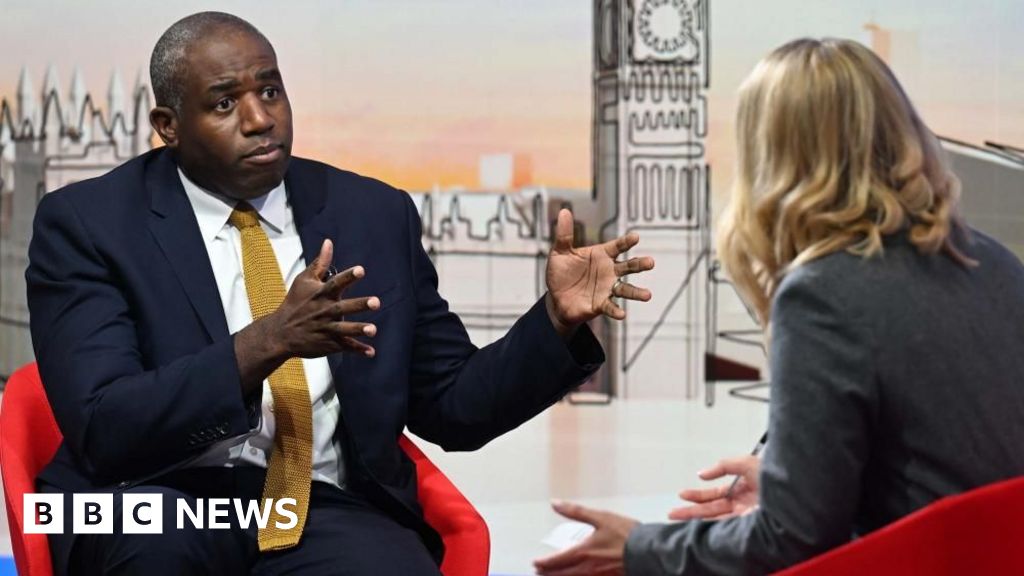 The UK deputy prime minister has told US Vice President JD Vance that his comments linking a British student's murder to immigration were "wrong." Vance had referenced the case of Henry Nowak, a murdered British student, to argue against immigration policies. The exchange highlights growing tensions between the UK and US administrations over immigration rhetoric. British officials have firmly rejected any connection between the tragic case and broader immigration policy.