 Qtrends
US-China rivalry strains naval and trade relations in Asia-Pacific
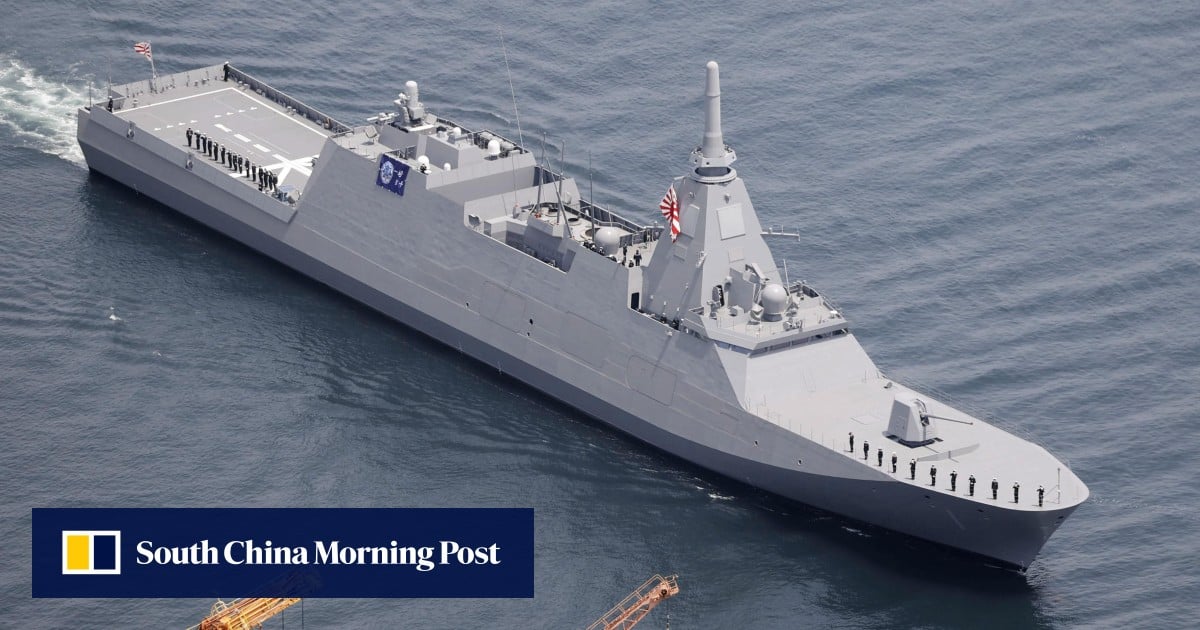 The US Navy is looking to allied partnerships to close the naval gap with China, highlighting the growing maritime competition in the Indo-Pacific. Meanwhile, rare earth trade between China and Japan faces uncertainty as diplomatic channels remain frozen. South Korea and the US remain deadlocked on submarine and trade issues ahead of scheduled talks, adding another layer to regional tensions.
 Analysts point to China's abundant and low-cost energy supply as a hidden advantage in the artificial intelligence race against the US, potentially enabling massive computation at lower operational costs. The US is also reviving older development financing mechanisms to counter China's Belt and Road Initiative. Beijing has proposed reforms on AI governance and global institutions during a UN meeting, signaling its ambition to shape international rules.
 US Defense Secretary Pete Hegseth used the Shangri-La Dialogue in Singapore to call on Asian allies to increase military spending to counter China's influence, sparking debate about Washington's foreign policy direction. China responded by moderating its own rhetoric, though analysts warn that regional flashpoints remain unresolved. The dialogue underscores the deepening strategic rivalry between the two powers in the Indo-Pacific.
 A rare and fast-spreading Ebola outbreak in the Democratic Republic of Congo is overwhelming response capacity, with cases outpacing containment efforts. The WHO director-general visited the outbreak epicenter in eastern Congo to assess the situation amid widespread community distrust and insecurity. Kenya proceeded with an Ebola quarantine facility in partnership with the US despite a court order blocking it. MSF has described the spread as 'deeply alarming'.
 A dramatic cave rescue operation in Laos took an unexpected turn when trapped villagers freed themselves before professional rescuers could reach them. Four men were successfully rescued from a flooded cave system, while search efforts continue for two others still missing. The operation drew international attention and highlighted the dangers of the monsoon-season cave systems in Southeast Asia.