 Qtrends
U.S.-Iran Standoff at Sea Heats Up
 A tense naval confrontation between Iran and the United States has escalated, with both sides testing each other's limits in what observers describe as a game of 'who blinks first'. Meanwhile, U.S. officials confirm that a ceasefire extension draft is being considered by Trump, raising cautious hopes for de-escalation. The situation remains fluid, with diplomacy and military posturing unfolding in parallel.
Sources:
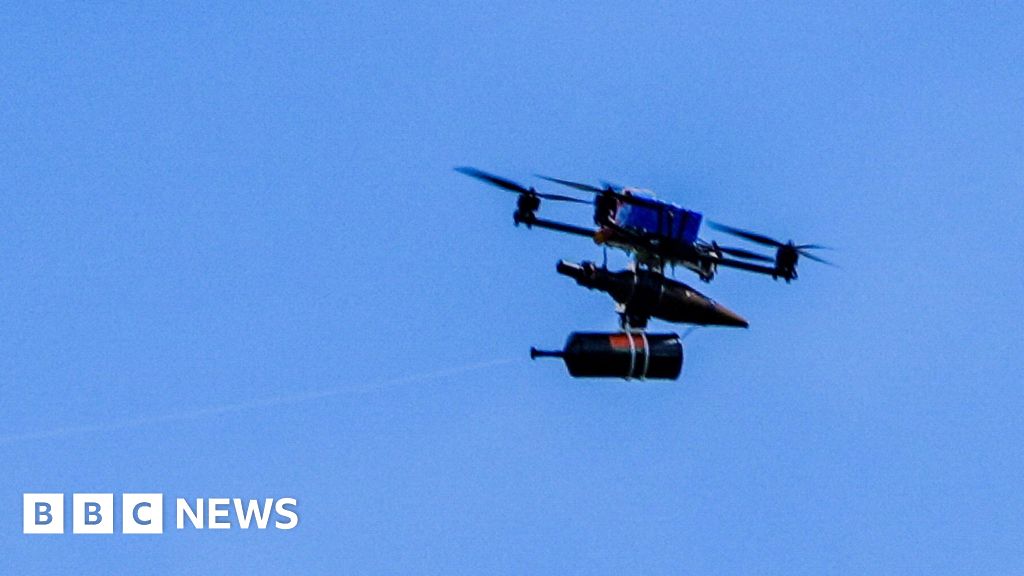 Hezbollah has begun deploying fiber-optic drones against Israel, adapting tactics learned from the Ukraine war to evade electronic jamming. In a separate development, Israel claims to have killed the new commander of Hamas' armed wing. The escalation deepens regional instability, while within the U.S., Democratic Party tensions over Israel policy and AIPAC's influence continue to surface.
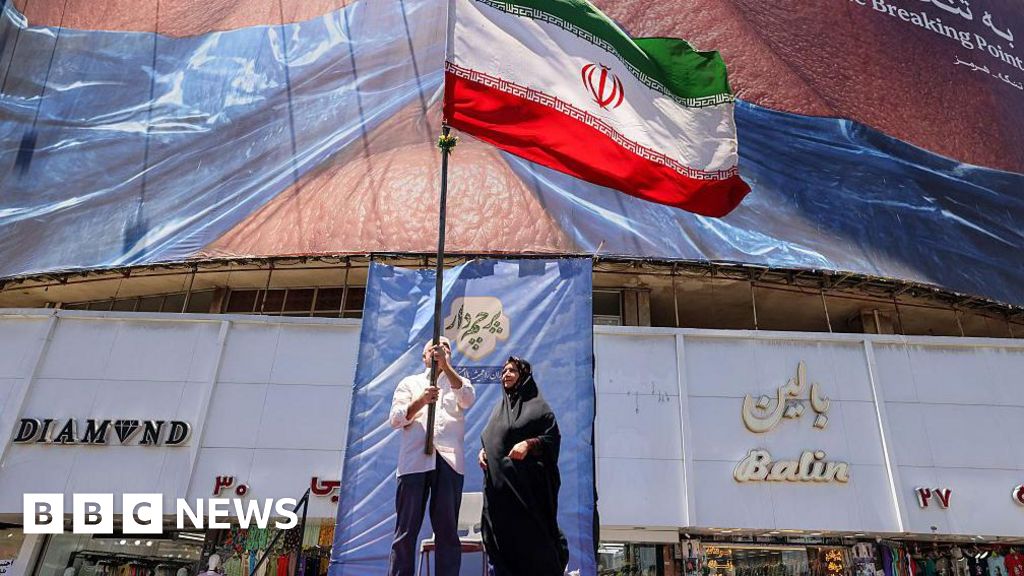 Vance says the U.S. and Iran are 'very close' to a deal but not yet there, as Washington circulates a draft Iran peace agreement to Israel and other allies. The proposed deal reportedly includes commitments to no nuclear weapons and keeping the Strait of Hormuz open. Whether Trump will approve the final terms remains uncertain.
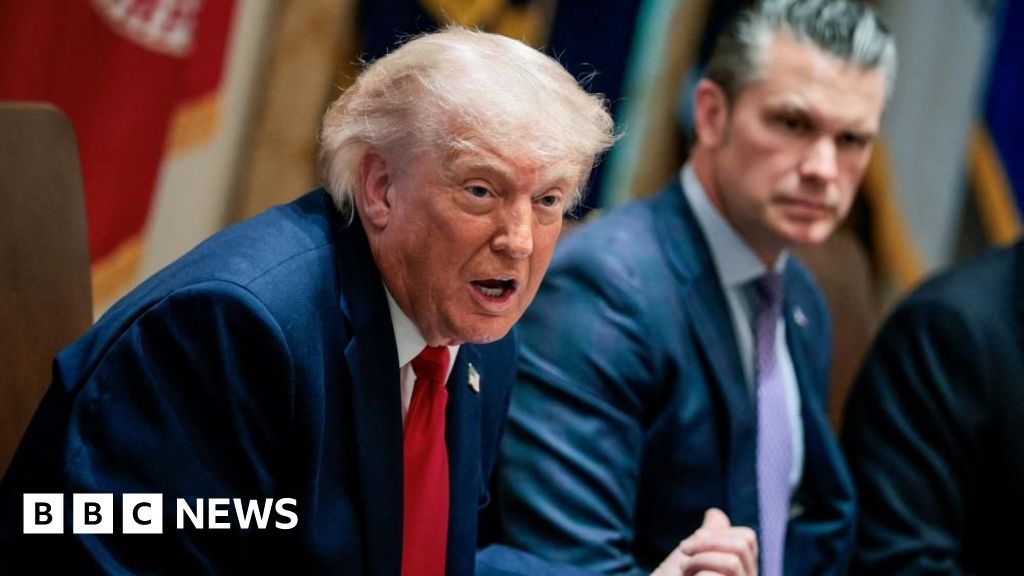 The U.S. has conducted fresh military strikes against Iran even as negotiations to end the war continue. Trump has stated that Iran is 'negotiating on fumes', while Iran accuses the U.S. of violating the truce. The contradictory signals — talks alongside strikes — leave the region uncertain about whether peace or further escalation lies ahead.
 Chinese Foreign Ministry has highlighted China's contributions to the United Nations, calling for 'just and equitable' global governance. China and the UK have agreed to deepen economic cooperation, and Beijing is positioning its anti-poverty model as a lesson for Africa. The push reflects China's broader strategy of expanding diplomatic influence and promoting multipolar world order.