 Qtrends
Trump proposes 20% Hormuz Strait toll for US naval protection
 Trump has proposed charging a 20% fee for US naval protection of commercial shipping through the Strait of Hormuz, a critical chokepoint for global oil transit. The plan has sparked widespread backlash from the international shipping industry, which warns of severe disruptions to global trade. Multiple reports indicate the threat is accelerating efforts to find alternative routes that bypass the strait entirely. Analysts question both the feasibility and the legality of such a toll under international maritime law.
 A coalition of 12 US states, led by California, has filed a lawsuit to block Paramount's proposed acquisition of Warner Bros. Discovery, arguing the merger would significantly reduce competition in Hollywood. The states claim the deal would combine some of the nation's largest movie studios and TV newsrooms, giving the merged entity excessive market power. The lawsuit represents one of the biggest antitrust challenges to a media merger in recent years. NPR reports that the states are seeking to stop the deal entirely rather than negotiate conditions.
 Rising demand for AI capabilities is pushing up prices of consumer electronics including iPads and Nintendo Switches, as manufacturers pass on higher component costs. CNBC reports that AI agents are beginning to take on real workplace tasks, which could fundamentally change how software companies price their products. Meanwhile, hundreds of economists have issued a joint warning urging governments to act on AI's impact on employment and economic inequality. Forbes highlights that many CEOs are unprepared for the broader risks AI poses to their business models.
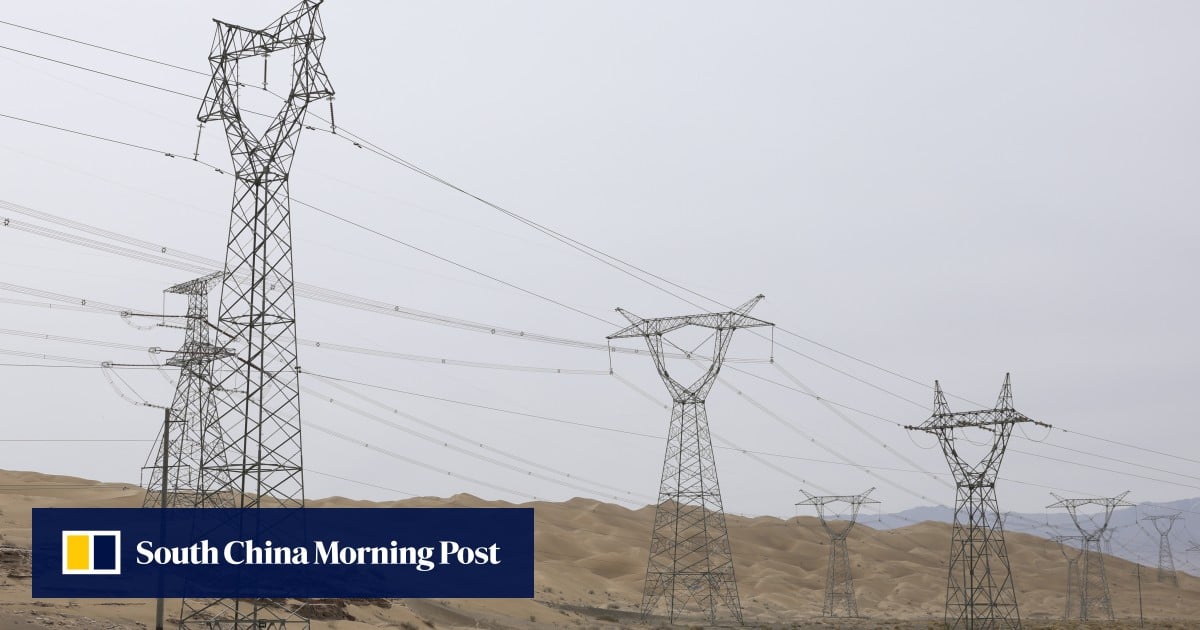 China's foreign trade grew 16.9% in the first half of 2026, driven by strong AI-related exports that offset weakness in traditional sectors, according to Nikkei Asia. Power exports to ASEAN countries surged 40%, with Myanmar alone nearly doubling its imports of Chinese electricity. The data highlights China's deepening economic integration with Southeast Asia. China Daily reports the trade figures as a sign of resilience despite global headwinds.
 Despite signs that headline inflation may ease for the first time in six years, underlying price pressures remain stubborn, particularly in housing where home prices hit an all-time high. CNN warns that America's inflation problems are not going away anytime soon, while Fed officials remain divided on the path forward. MarketWatch reports that inflation is primed to fall, but questions whether consumers will actually see lower prices. NPR captures how everyday Americans are feeling the cumulative effects of prolonged price increases.