 Qtrends
China's inflation diverges: CPI mild, PPI at multi-year high
 China's consumer price index (CPI) grew modestly in June, indicating weak domestic demand, while producer price inflation accelerated for a fourth straight month, reaching its highest level in nearly four years. The divergence highlights the uneven nature of China's economic recovery, with factory-gate prices rising on the back of industrial demand but consumer spending remaining tepid. The June PPI rose 4.1% year-on-year, driven largely by raw material costs.
Sources:
China consumer price growth weakens in June while producer inflation rises to near 4-year high
(CNBC)
China's CPI maintains moderate growth in June
(China Daily)
China's consumer inflation remained moderate in June, while factory-gate price growth accelerated for a fourth straight month.
(China Daily)
China's PPI up 4.1% in June
(China Daily)
 Lightelligence, a startup founded by former Google engineers, is betting on optical computing and Shanghai to lead the next wave of AI hardware. Meanwhile, NPR reports that Google's Gemini lacks the household recognition of Claude and ChatGPT, attributing the gap to the innovator's dilemma — where large incumbents struggle to disrupt themselves. DeepMind CEO Demis Hassabis is attempting to navigate Google's bureaucratic constraints to build superintelligence.
 Apple announced a $30 billion commitment to design Broadcom chips in the United States, marking one of the largest domestic semiconductor investments. In a contrasting move, a former Apple executive is betting on Shenzhen, not Silicon Valley, to create the next major consumer electronics company. The broader semiconductor industry is preparing for years of expansion, according to Applied Materials' CEO, as global chip demand continues to surge.
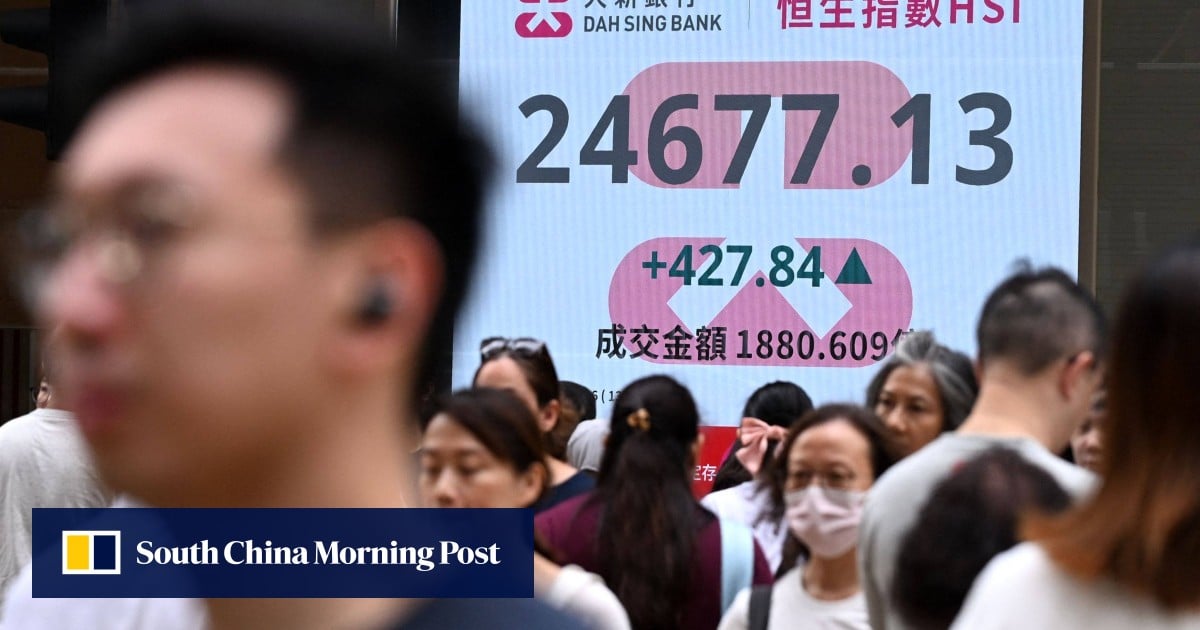 Hong Kong stocks retreated as regional tech sector volatility offset short-covering activity. Analysts warn that geopolitical tensions, Beijing's capital controls, and potential rate hikes are clouding the outlook for the city's retail leasing market. Adding to the downbeat sentiment, Apple supplier Luxshare Precision Industries saw its Hong Kong shares slip in what was the year's largest listing in the city.
 Oil prices surged after the United States launched additional military strikes on Iran, triggering a spike in crude futures and a broad sell-off in global stock markets. The NYT reports that oil prices held gains despite another round of strikes in the Gulf, while Asian markets showed mixed results as the conflict escalates. MarketWatch noted that after-hours trading saw further gains in crude as traders priced in extended supply disruption risk.