 Qtrends
US-Iran ceasefire collapse fuels inflation and economic anxiety
The fragile US-Iran ceasefire is unraveling, stoking fears of renewed conflict and sending shockwaves through the global economy. The IMF warns that the Iran war will leave an inflation scar on the U.S. economy extending through 2027. Higher fuel prices are the most visible impact, but analysts say rising tensions will ripple across supply chains and consumer costs. MarketWatch reports that the economic fallout extends well beyond the gas pump. NPR and the New York Times highlight the fresh uncertainty facing an already shaky global economy.
Sources:
 President Trump declared the US-Iran ceasefire 'over' on July 8, triggering a sharp spike in oil prices and a global stock market selloff. Crude oil jumped over 6% to a two-week high, while equities dropped across Asia, Europe, and the U.S. The declaration adds a fresh layer of geopolitical risk to an already fragile global economic outlook. NPR captured the day's events as oil surged and stocks fell amid renewed uncertainty over the Middle East.
 The AI semiconductor trade is showing signs of strain as more than two-thirds of tech stocks have fallen at least 20% from recent highs. Despite this broad pullback, Samsung posted an eye-popping 1,800% profit surge driven by AI chip demand. Goldman Sachs highlights 'halo stocks' — companies benefiting indirectly from the AI boom — as a new area of investor interest. MarketWatch notes that investors are increasingly questioning whether the AI rally can sustain its momentum as Micron's stock slides well off its peak.
 Democrats are building their own governing blueprint, dubbed 'Project 2029,' which takes direct aim at the 'annoyance economy' — robocalls, endless hold times, hidden fees, and other everyday consumer frustrations. The proposal echoes the scale of the conservative Project 2025 but with a focus on consumer protection and regulatory reform. NPR explores the initiative as part of a broader search for economic ideas that could reshape everyday American life.
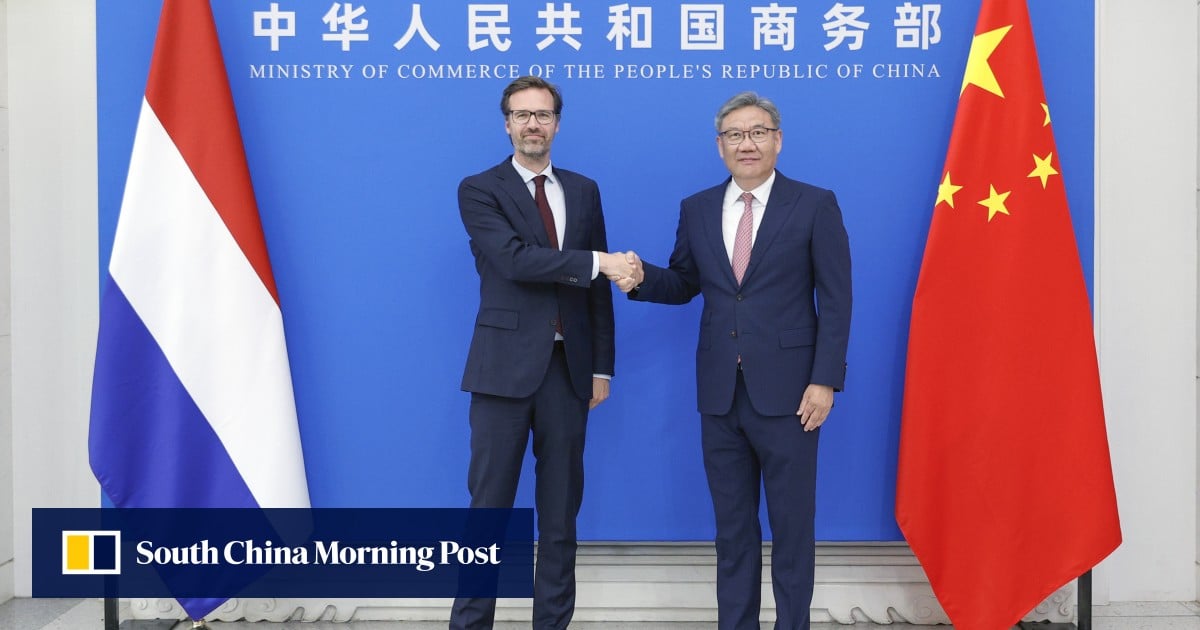 During a Dutch trade mission to China, Beijing pressed for stable chip supply chains and fair market access for Chinese companies. The Ministry of Commerce called for a fair and transparent business environment for Chinese firms operating in the Netherlands. Separately, a Norwegian company praised China's five-year plan as offering lessons for the world. The discussions come amid ongoing global tensions over semiconductor export controls and technology supply chains.