 Qtrends
Oil spikes 6% as Trump declares Iran ceasefire over
 Oil prices surged more than 6% to a two-week high after President Trump stated the U.S.-Iran ceasefire agreement is 'over'. The declaration triggered a sharp sell-off in stock markets and renewed fears of supply disruptions in the Middle East. Analysts warn that further escalation could push oil prices significantly higher. MarketWatch and Nikkei Asia joined major outlets in covering the rapid price movements.
Sources:
 China has announced new measures to strengthen Hong Kong's role as the world's leading offshore yuan trading hub. Mainland Chinese tech firms are increasingly leveraging Hong Kong listings for more than just capital, gaining strategic advantages in robotics and AI. In a notable legal development, a mainland Chinese court has asserted jurisdiction over a Hong Kong-listed company under Beijing's Securities Law, signaling expanding regulatory reach.
 China's Ministry of Commerce has called for a fair and transparent business environment for Chinese companies operating in the Netherlands. A Norwegian company praised China's five-year plan as offering valuable lessons for global economic development. Meanwhile, Alibaba posted its best trading day in 10 months, fueling optimism about a broader rebound in Chinese technology stocks.
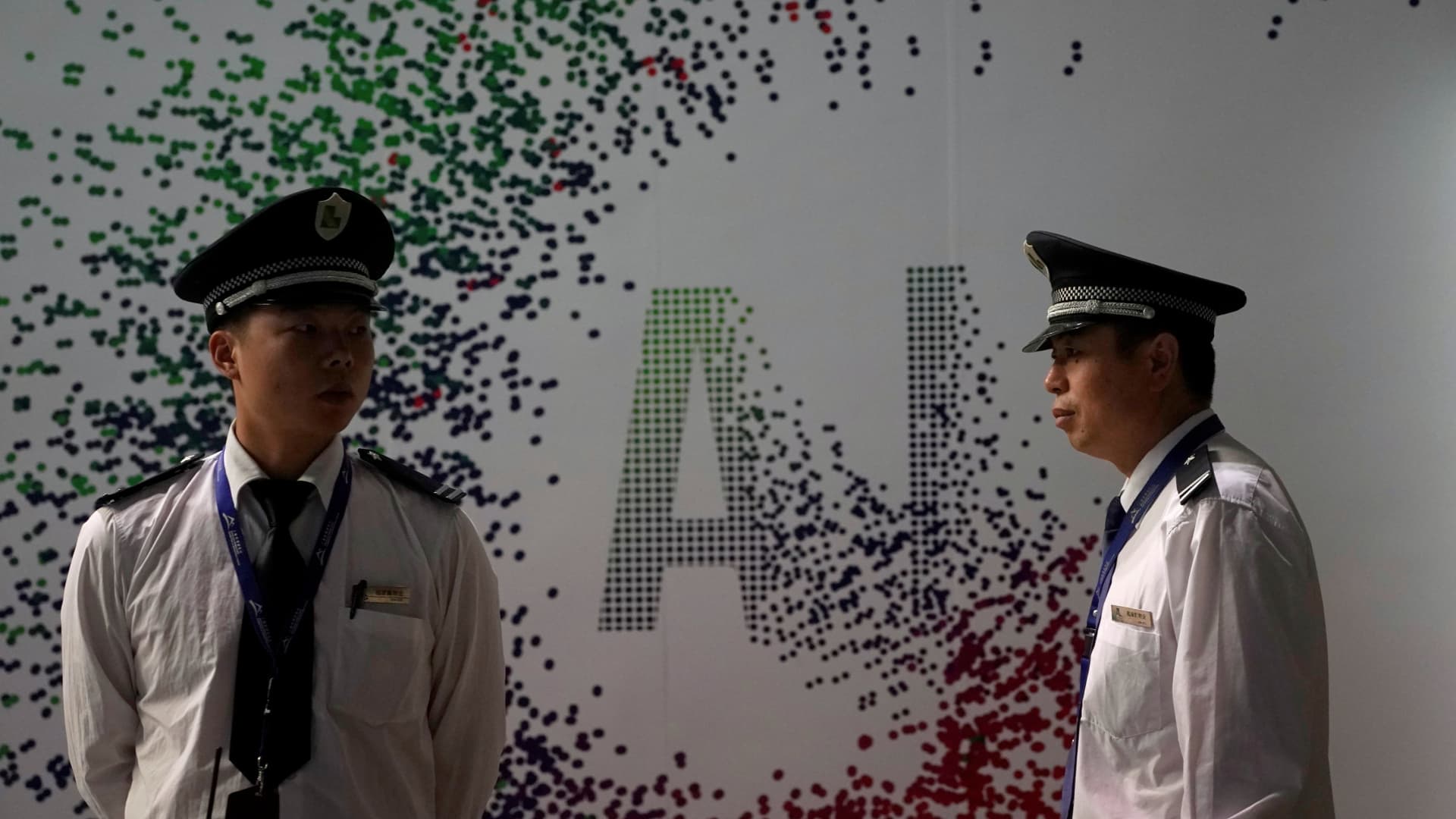 China has issued warnings about the security risks of U.S. AI developer tools, specifically citing Anthropic's Claude Code. U.S. lawmakers are investigating the growing adoption of Chinese AI models by American companies, raising national security concerns. Forbes reports that a 'Chinese AI blockade' may be imminent as the technology rivalry between the two countries intensifies across both software and hardware domains.
 Democrats are building their own governing blueprint called 'Project 2029', which takes direct aim at what they call the 'annoyance economy'. The proposal targets robocalls, endless customer service hold times, hidden fees, and other everyday consumer frustrations. NPR is featuring a series exploring the best economic ideas from around the world that could be adapted for U.S. policy.