 Qtrends
China pushes ahead on robotaxis and humanoid robots
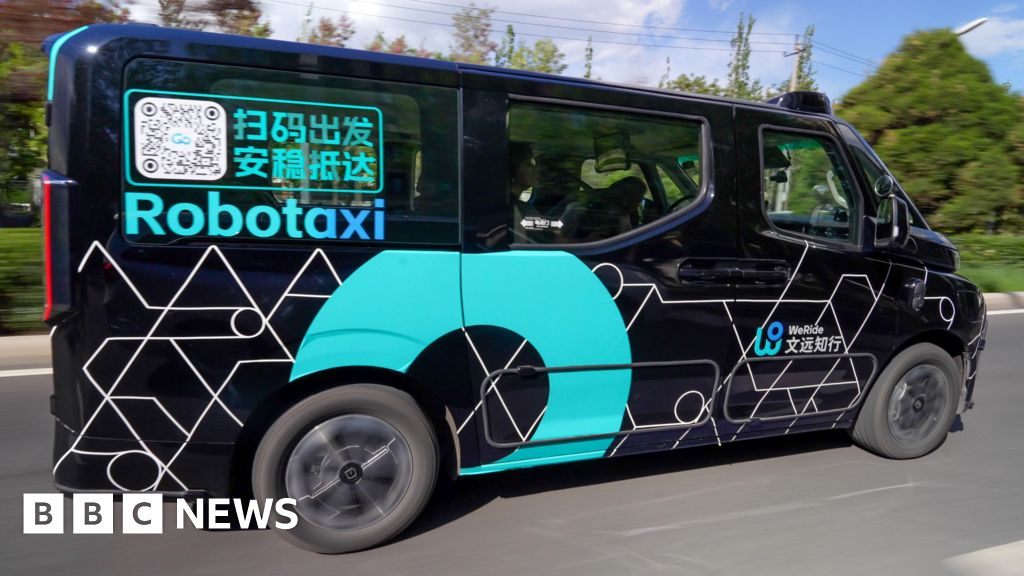 China is expanding its technological lead by pushing into robotaxis and humanoid robotics, aiming to replicate its electric vehicle success. A senior Chinese official announced that humanoid robot output could exceed 100,000 units this year. Meanwhile, Japan's Shimizu is turning to humanoid robots to address its construction labor crunch. The developments signal an accelerating global race in embodied AI and autonomous mobility.
 China's manufacturing sector is increasingly defining the global standard, particularly in quality and scale. Chinese automakers have progressed from quality improvements to market triumph on the world stage. US AI companies are raising alarms that Chinese copycats are rapidly closing the technological gap. The trend underscores China's dual push in both industrial manufacturing and cutting-edge artificial intelligence.
 The AI-driven economy is creating a widening divide, with many American workers struggling to keep pace with rapid technological change. AI-related stocks have declined sharply, dragging global markets into a downturn. Forbes notes that while AI is reshaping the global corporate landscape, the United States remains at the center of this transformation. The convergence of economic anxiety and market volatility highlights growing unease about AI's disruptive impact.