 Qtrends
Trump's White House windfall dwarfs all predecessors
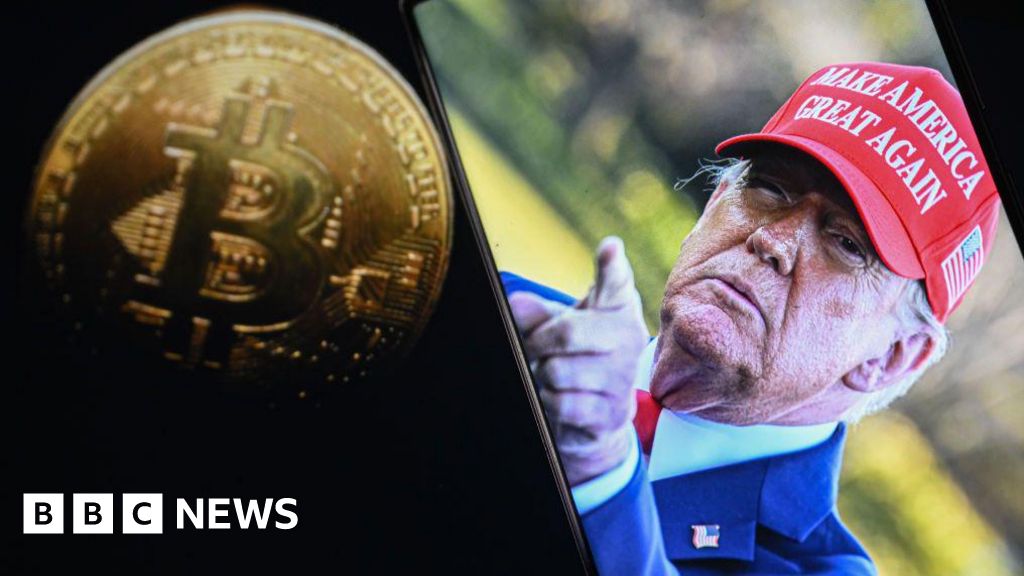 A look at Donald Trump's 2025 financial disclosure reveals unprecedented personal enrichment from the presidency, dwarfing the earnings of any previous US president. Revenue at Mar-a-Lago surged 55% as Trump returned to power. The disclosure also highlights income streams from Bibles, merchandise, and licensing deals, painting a picture of vast commercial operations intertwined with his political return.
 Trump's financial disclosure shows he generated approximately $1.2 billion from cryptocurrency businesses in the past year, making up the largest portion of his income. While many retail investors have suffered losses in the volatile crypto market, Trump's ventures have reaped massive windfalls. The revelations have reignited debates over conflicts of interest and the interplay between political power and digital asset markets.
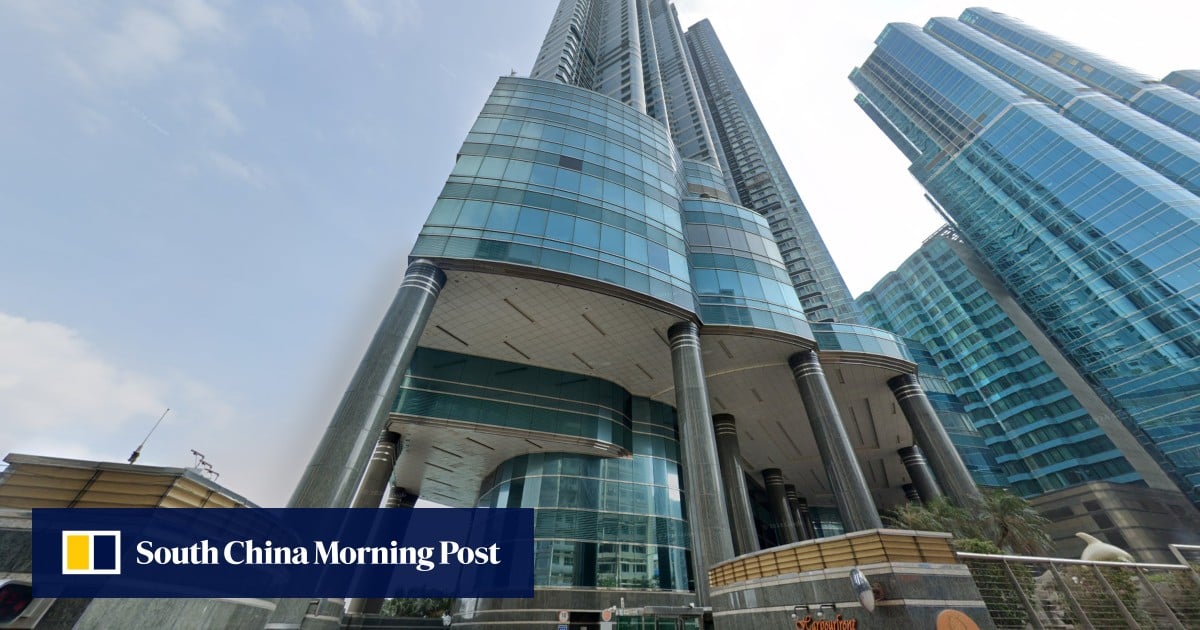 Hong Kong's commercial and luxury residential property markets are experiencing a rare uptick, driven by university and school expansions as well as high-net-worth buyers. Agents predict mild price growth of up to 2% for luxury homes, with sustained market resilience expected through 2026. The cautious optimism follows a strong first half, though agents warn price growth will remain modest.
 Forbes' Global 2000 list for 2026 shows AI has fundamentally rewritten the world's corporate scoreboard, with tech companies dominating rankings in ways previously unseen. Meanwhile, Wall Street is divided over Meta's AI direction, as questions about a potential cloud pivot create uncertainty. India leads in AI talent supply globally, but industry observers note it trails in translating that talent into meaningful commercial outcomes.
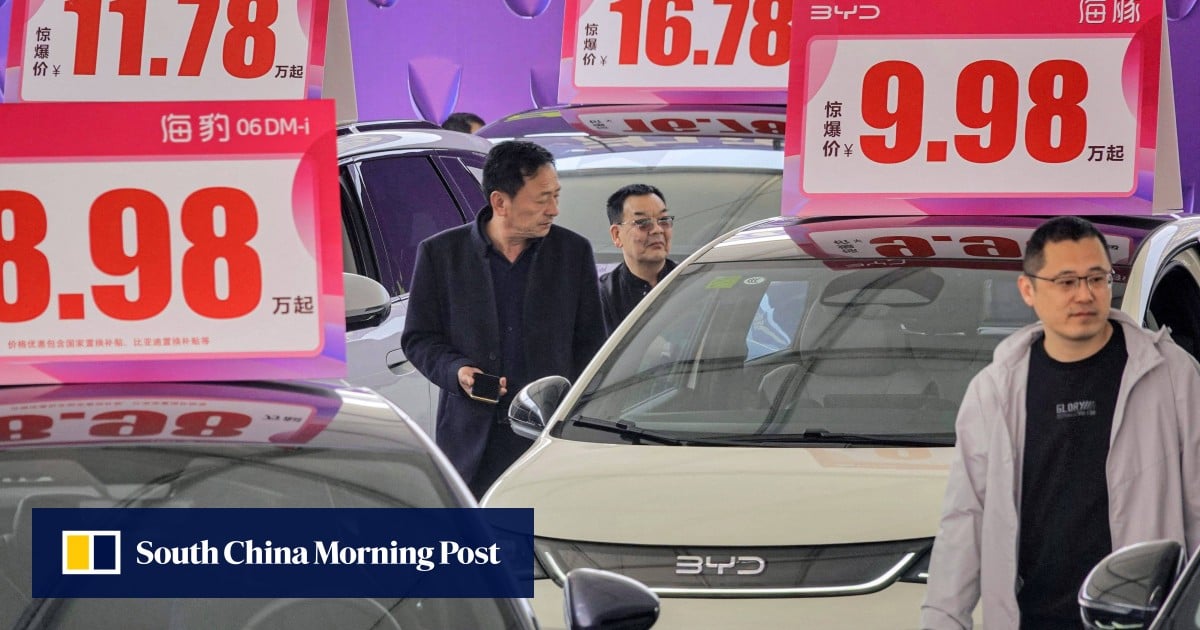 Slowing car sales in China are raising the prospect of a renewed price war in the world's largest auto market, already crowded with domestic and foreign competitors. AlixPartners has issued one of the most bearish forecasts for Chinese carmakers' fortunes this year. Meanwhile, Guangdong province is scaling up its future-industry initiatives, and Chinese officials continue to promote domestic auto quality improvements as a competitive strategy.