 Qtrends
Apple to raise prices as AI boom drives up chip costs
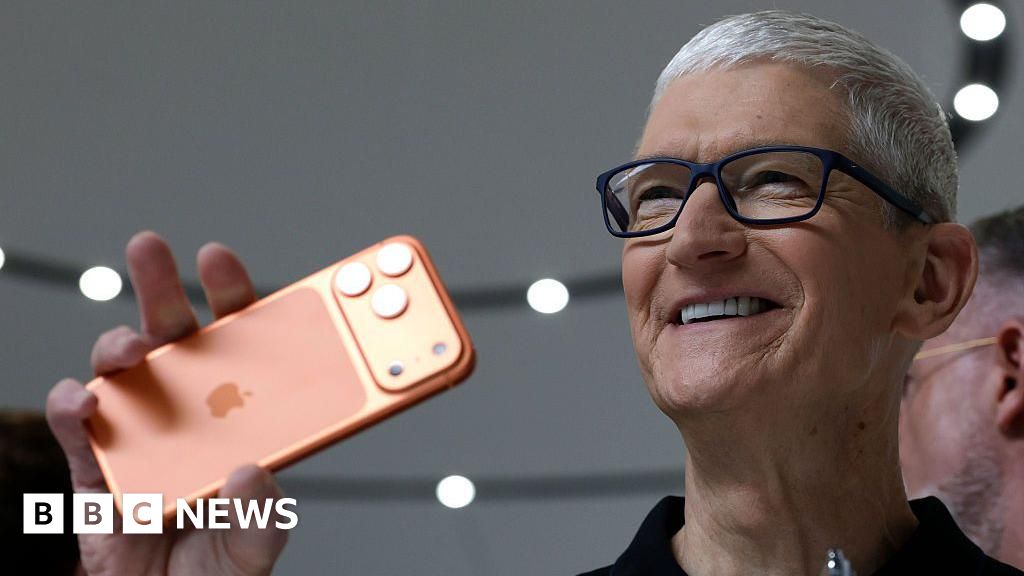 Apple has warned that rising chip costs fueled by the AI boom will force the company to raise prices across its product lineup. Tim Cook acknowledged that Apple can no longer absorb these cost increases, signaling potential price hikes for the upcoming iPhone 18. Analysts expect Apple's pricing strategy to shift significantly in response to sustained semiconductor demand from AI infrastructure. The move reflects broader supply chain pressures hitting consumer electronics.
 Top AI executives including Anthropic's Dario Amodei and Google's Demis Hassabis urged G7 leaders to form a U.S.-led AI coalition for global governance. Nvidia's Jensen Huang called for new social norms to adapt to an AI-driven world. SpaceX made a massive bet on AI talent by acquiring coding startup Cursor for $60 billion. Meanwhile, Jeff Bezos argued AI will create more jobs than it eliminates, offering a counterpoint to automation fears.
 New Federal Reserve Chair Kevin Warsh promised a new vision for the central bank, even as Fed policymakers signaled support for rate hikes rather than cuts. The Fed held rates steady at Warsh's first meeting, but internal guidance leans hawkish. Analysts are parsing Warsh's statements for clues on the monetary policy direction ahead. The shift marks a notable departure from the previous rate-cutting posture.
 The Federal Reserve held interest rates unchanged at its June meeting but signaled that a rate hike could come later in 2026. Uncertainty around the Trump administration's Iran deal was cited as a key factor in the cautious stance. This was the first rate decision under new Chair Kevin Warsh. NPR noted that the next move is expected to be an increase, not a cut.
 The economic consequences of the Iran war continue to ripple through global markets, with higher prices for gas, groceries, and flights expected to outlast the conflict itself. Analysts estimate the war's total cost and its lingering effects on the global economy will be felt for years. The New York Times described the conflict as having permanently altered the global economic landscape. Consumers worldwide are grappling with inflation that shows no signs of abating.