 Qtrends
US economy defies odds as wages fall and wealth surges
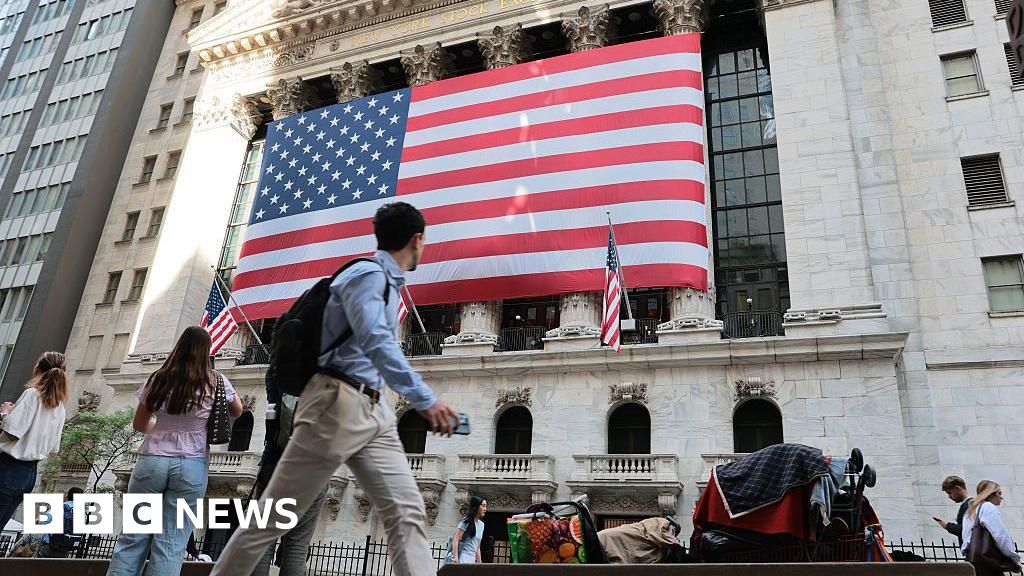 The US economy continues to outperform expectations, but a growing divide between falling wages and surging wealth is leaving Americans unhappy. Three NYT and BBC articles examine this paradox, highlighting that while asset prices and net worth are at record highs, wage earners are falling behind. Financial literacy among Americans is also declining, compounding the economic anxiety.
 SpaceX launched the largest IPO in history, debuting at a $1.77 trillion valuation and closing 19% higher on the first day. Analysts at Baird note that wealth advisors stand to benefit as clients profit from the listing. The offering was widely seen as a triumph for Elon Musk, who turned a high-risk venture into a $2 trillion market cap success.
 SpaceX began trading on Nasdaq at a $1.77 trillion valuation, marking one of the most anticipated public listings in history. MarketWatch compares its trajectory to Tesla's post-IPO performance, questioning whether investors have missed the window for gains. China Daily also covered the landmark debut, underscoring its global significance.
 MarketWatch notes that the SpaceX IPO demonstrates investor appetite for high-risk, high-reward bets, but the Federal Reserve's upcoming policy decision could test that enthusiasm. NPR explores the broader implications of a publicly traded SpaceX, including its aggressive push into space and AI, and what that means for life on Earth.
 Anthropic has suspended access to its Mythos AI model after the US government banned foreign nationals from using it, citing national security concerns. CNN, BBC, and MarketWatch report that the restrictions could trigger a global AI arms race, as other nations accelerate their own AI development in response.