 Qtrends
SpaceX targets $1.75 trillion in record-shattering IPO
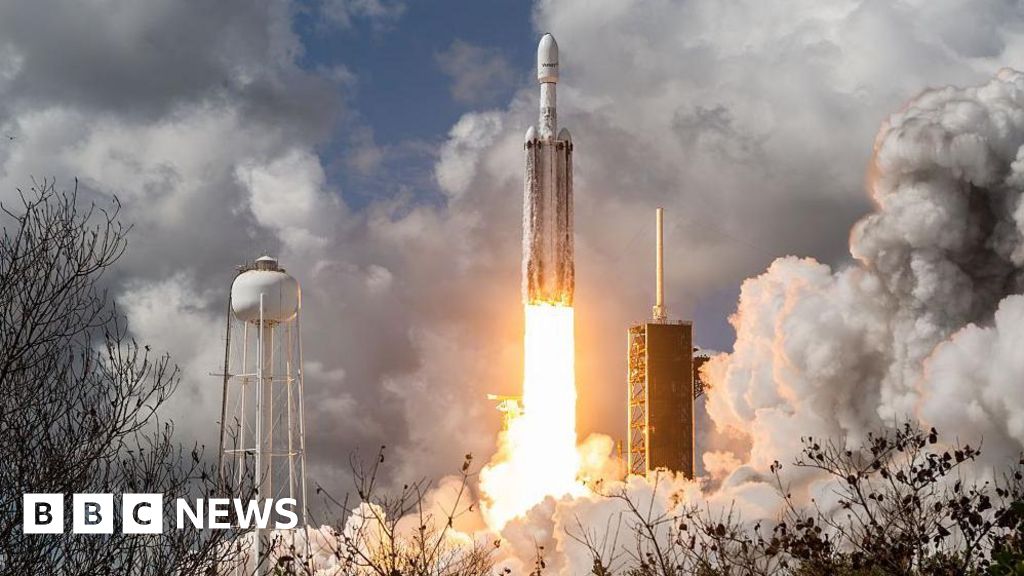 SpaceX has set the stage for what would be the largest initial public offering in history, with a valuation of approximately $1.75 trillion. The company has reportedly secured its ticker symbol and is pricing the offering, drawing comparisons to the biggest listings of all time. Wall Street analysts note that the valuation leaves virtually no room for error, signaling high expectations for SpaceX's future revenue growth. Multiple major outlets are covering the story, highlighting both investor enthusiasm and the risks baked into the unprecedented valuation.
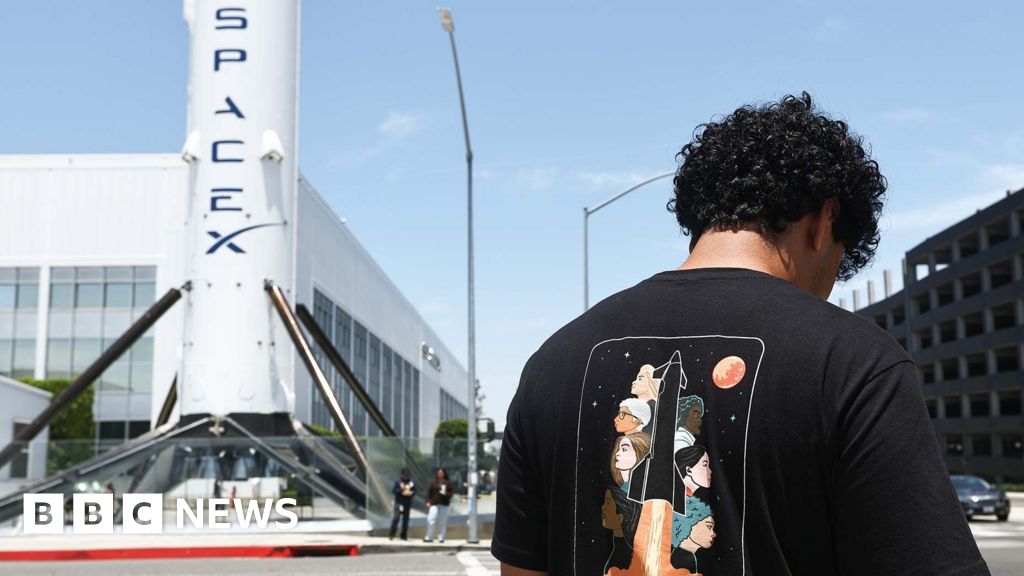 Elon Musk's SpaceX has also been in the news for its share sale, with BBC breaking down four key things investors need to know. The company reportedly paid to secure its ticker symbol well ahead of the IPO, signaling meticulous preparation. A separate NYT piece examines the executive team beyond Musk, profiling the 'steady hand' that keeps the company running. These stories collectively paint a picture of a company managing both its public narrative and internal operations with precision.
 Markets saw sharp divergence in the tech sector: Quantinuum's stock popped on its IPO debut, fueling the quantum computing narrative on Wall Street. Meanwhile, Micron faced investor jitters as Broadcom's competitive position cast a shadow over chip sector valuations. CNBC also highlighted midday movers including Five Below, Broadcom, Blackstone, and UnitedHealth. The contrasting fortunes reflect an increasingly polarized market where quantum and AI hardware bets diverge from legacy semiconductor plays.
 A Forbes investigation reveals that one in five enterprise workers loses a full day every week to inefficient AI systems, creating a 'hidden tax' on organizational productivity. NPR examines what consumers actually get when they pay for AI, noting that only 3% of U.S. households currently pay for personal AI use. Despite widespread subscription fatigue, sign-ups are growing. The coverage suggests a gap between enterprise investment in AI and the tangible returns, with many tools adding complexity rather than removing it.
 The world's largest technology companies are betting on a future where computers manage themselves rather than requiring human oversight. Perplexity's CEO described this shift as 'the data center coming to your laptop,' suggesting that powerful AI models will increasingly run on personal devices. MarketWatch reports that Amazon, Microsoft, and Google are quietly restructuring their businesses around this paradigm, but Wall Street has yet to fully reflect the transformation in valuations. The trend signals a major architectural shift in how computing power is distributed and consumed.